Understanding Dentures: A Comprehensive Guide to Your Questions
Dentures are an essential part of many people’s dental care routine, providing a solution for individuals who have lost their natural teeth. Whether due to age, injury, or disease, the absence of teeth can be more than just a cosmetic concern. It can affect speech, chewing, and overall self-confidence. If you or someone you know is considering dentures, you likely have a range of questions. In this blog, we aim to answer some of the most frequently asked questions about dentures in a straightforward, non-salesy way.
What Are Dentures?
Dentures are removable appliances designed to replace missing teeth. They are custom-made to fit your mouth and can help restore the look and function of your smile. Dentures are made of acrylic, plastic, or a combination of materials, and they are designed to resemble your natural teeth. There are two main types:
- Complete Dentures: Used when all of your teeth are missing.
- Partial Dentures: Used when some of your natural teeth remain. These dentures fill the gaps left by missing teeth and help prevent the remaining teeth from shifting.
How Are Dentures Made?
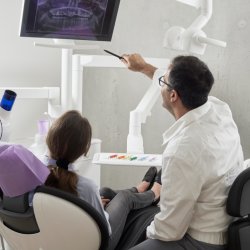
The process of making dentures involves several steps. First, your dentist will take impressions of your mouth to ensure that the dentures fit comfortably. These impressions are used to create a model of your mouth, which the dental laboratory uses to craft the dentures. Once the dentures are made, they may need to be adjusted to ensure a proper fit and comfort. It’s essential to work closely with your dentist during this process to achieve the best result.
How Do Dentures Work?
Dentures function by sitting securely on your gums. Complete dentures create a seal that helps them stay in place, while partial dentures often use clasps or connectors to attach to your remaining natural teeth. They allow you to chew food, speak, and smile with confidence. While they are not as permanent as natural teeth, modern dentures are designed to be as functional and natural-looking as possible.
Will Dentures Look Natural?
One of the most common concerns people have about dentures is whether they will look natural. Modern dentures are designed to mimic the appearance of natural teeth, both in color and shape. Dentists work carefully to choose the right materials and shades to match your natural teeth and skin tone. Many people find that, with the right fit and design, their dentures look indistinguishable from real teeth.
How Much Do Dentures Cost?
In Belleville, the cost for full or partial dentures typically ranges from $900 to $3,500 or more, depending on individual needs. Full-mouth dentures can cost anywhere from $1,800 to $3,500+, while implant-supported dentures, which provide enhanced stability, average around $30,000. For more personalized pricing and to understand the best options for you, we encourage you to reach out to local denture clinics or visit our website for further details.
Are Dentures Comfortable?
Initially, new dentures may feel a little uncomfortable as your mouth adjusts to them. It’s normal to experience some soreness or irritation, especially if the dentures don’t fit perfectly at first. Over time, however, most people adapt to wearing them, and the discomfort tends to diminish. Regular visits to your dentist for adjustments can help ensure that your dentures continue to fit comfortably.
If your dentures feel loose or cause persistent discomfort, it’s important to consult your dentist. They may need to make adjustments or recommend a new set.
Can I Eat with Dentures?
Yes, you can eat with dentures, but it may take some time to get used to chewing with them. Start with soft foods and gradually progress to harder textures as you become more comfortable. It’s also a good idea to avoid sticky or tough foods, as they can dislodge dentures or cause discomfort.
Over time, you'll become more adept at chewing and speaking with dentures, but it’s important to be patient with the process. If you have partial dentures, it’s best to chew on both sides of your mouth to avoid putting too much pressure on any one tooth or section of the denture.
How Do I Care for My Dentures?
Proper care is crucial to keeping your dentures in good condition and ensuring they last. Here are some general tips:
- Clean Your Dentures Daily: Just like natural teeth, dentures need to be cleaned. Use a soft-bristled brush and mild dish soap to clean them after every meal. Avoid using toothpaste, as it can be abrasive and damage the denture surface.
- Rinse After Eating: It’s a good idea to rinse your dentures after meals to remove food particles. This helps maintain cleanliness and prevents plaque buildup.
- Soak Dentures Overnight: Dentures should be soaked in a denture cleaning solution or warm water overnight to prevent them from drying out. This also helps maintain their shape and flexibility.
- Handle With Care: Dentures can be fragile, so handle them carefully when cleaning or removing them. Place a towel or basin of water in the sink to avoid accidental damage.
- Visit Your Dentist Regularly: Dentures should be checked regularly for fit and comfort. Over time, your gums may change shape, which can affect how your dentures fit. Your dentist will be able to adjust them as needed.
How Long Do Dentures Last?
With proper care, dentures can last anywhere from 5 to 10 years. However, they may need to be replaced or relined during that time as your mouth changes. If you notice discomfort, poor fit, or changes in the appearance of your dentures, it may be time to talk to your dentist about an adjustment or replacement.
Will Dentures Affect My Speech?
When you first get dentures, they might affect your speech, particularly in the beginning. It’s normal to have difficulty pronouncing certain words or sounds, but with time and practice, most people adapt. Speaking slowly and deliberately can help you adjust to your new dentures.
Can I Sleep with My Dentures On?
It’s generally recommended to remove your dentures at night to give your gums a chance to rest. Sleeping with your dentures in can cause irritation or discomfort. If you feel the need to keep them in for any reason, consult your dentist for advice.
Conclusion
Dentures can be a life-changing solution for those who have lost their teeth, improving both the function and appearance of their smile. While getting used to them may take time, the comfort, confidence, and improved quality of life they provide are well worth the effort. By following proper care guidelines and maintaining regular dental visits, you can enjoy your dentures for many years to come.
More to Read:



Previous Posts: