Sedation Dentistry: A Comfortable Solution for Dental Anxiety
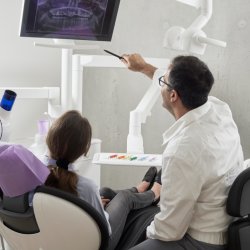
For many people, the thought of visiting the dentist can trigger feelings of fear and anxiety. Whether it’s the sound of the dental tools, the thought of needles, or a previous negative experience, dental anxiety is common. Fortunately, sedation dentistry offers a solution that helps you relax, so you can receive the care you need without stress. If you're in Beamsville and looking for a way to make your dental visits more comfortable, sedation dentistry may be just what you need.
What is Sedation Dentistry?
Sedation dentistry involves the use of medication to help patients feel relaxed and calm during dental procedures. Unlike general anesthesia, which puts you completely to sleep, sedation dentistry keeps you awake but in a deeply relaxed state. The goal is to reduce anxiety, minimize discomfort, and allow you to undergo treatment with ease. Sedation can be used for everything from routine cleanings to more complex dental procedures.
Types of Sedation Dentistry
There are several types of sedation available, each designed to provide different levels of relaxation depending on your needs:
1. Nitrous Oxide (Laughing Gas)
Nitrous oxide, often called "laughing gas," is one of the most common and least invasive forms of sedation. It’s administered through a mask that fits over your nose. Inhaling the gas creates a sense of relaxation and euphoria, making you feel calm and at ease. Nitrous oxide works quickly, and the effects wear off almost immediately after the mask is removed. This makes it ideal for patients who need a little help to relax but still want to be alert during their procedure.
2. Oral Sedation
Oral sedation involves taking a prescribed medication before your appointment. The medication helps reduce anxiety and allows you to feel calm and drowsy during the procedure. Depending on the dosage, oral sedation can range from mild relaxation to a more profound feeling of sleepiness. You’ll be awake throughout the procedure, but you may not remember much of the treatment afterward. Since oral sedation can leave you feeling groggy, it’s essential to arrange for someone to drive you home afterward.
3. IV Sedation
IV sedation is administered directly into your bloodstream, allowing the dentist to control the level of sedation throughout the procedure. This type of sedation is suitable for patients with moderate to severe anxiety or for those undergoing more invasive dental treatments. With IV sedation, you’ll feel deeply relaxed, and it’s possible to fall into a light sleep. While you’ll still be able to respond to the dentist’s instructions, you may have little to no memory of the procedure afterward. Afterward, you will need someone to drive you home, as the effects can linger for a while.
4. General Anesthesia
General anesthesia is the deepest form of sedation and is typically reserved for complex procedures or patients who have extreme dental anxiety. With general anesthesia, you will be completely unconscious and unaware of the procedure. This is most often used for extensive surgeries or for people who require significant dental work. Because general anesthesia requires careful monitoring, it is usually administered in a hospital or specialized setting, and you’ll need a ride home once the procedure is complete.
Benefits of Sedation Dentistry
Sedation dentistry provides several advantages, especially for those who experience fear or anxiety about dental visits. Here are some of the key benefits:
1. Reduced Anxiety and Fear
For patients with dental phobia, sedation provides a way to receive necessary treatment in a calm and relaxed state. Whether you’re just a little nervous or have severe anxiety, sedation can help you feel at ease throughout the procedure.
2. Pain-Free Experience
Sedation helps reduce pain and discomfort, ensuring you remain comfortable during your treatment. Whether you’re undergoing a simple filling or a more complex procedure, sedation ensures you won't feel pain during the process.
3. More Efficient Treatment
With sedation, patients are more relaxed and able to sit still, which can allow the dentist to complete multiple procedures in one visit. This can save time and reduce the number of dental appointments needed for extensive treatment.
4. Improved Cooperation
Sedation helps patients remain calm and cooperative during treatment. This is particularly beneficial for people who have difficulty sitting still, have sensitive teeth, or have a strong gag reflex.
5. No Memory of the Procedure
In some cases, such as with IV or oral sedation, patients may not remember the procedure afterward. This can be especially helpful for people who are fearful of the dentist, as they won’t have any negative memories of the treatment.
Is Sedation Dentistry Right for You?
Sedation dentistry is suitable for anyone who experiences dental anxiety or discomfort. It’s especially beneficial for those who need extensive dental work done or for those who have difficulty sitting still during treatments. Whether you're afraid of needles, have a sensitive gag reflex, or simply dislike the sights and sounds of the dental office, sedation can help make your visit easier.
Before recommending sedation, your dentist will conduct a thorough consultation to assess your medical history and overall health. They will work with you to determine the best type of sedation based on your needs, ensuring you have a safe and comfortable experience.
What to Expect During Your Sedation Dentistry Appointment
Here’s a general overview of what you can expect when you opt for sedation dentistry:
- Pre-Treatment Consultation: Your dentist will discuss your options for sedation, explain the procedure, and ensure that you’re a suitable candidate for the type of sedation you’re considering.
- During the Procedure: Once the sedation takes effect, your dentist will perform the necessary dental work while you remain relaxed. Depending on the type of sedation, you may feel completely at ease, drowsy, or even fall into a light sleep.
- Post-Treatment Care: After the procedure, your dentist will provide aftercare instructions. If you’ve had oral, IV sedation, or general anesthesia, you’ll need someone to drive you home, as the effects can last for a few hours.
Find Out More About Sedation Dentistry
If you’ve been avoiding dental visits due to anxiety or fear, sedation dentistry offers a safe and effective way to receive the care you need in a relaxed, comfortable setting. Whether it’s a routine checkup, filling, or more complex treatment, sedation can help you get the dental care you deserve without the stress.
To learn more about how sedation dentistry can help you relax during your next dental visit, contact a trusted dentist to discuss your options. You deserve to feel comfortable and confident during your dental treatments, and sedation dentistry can make that happen.
More to Read:



Previous Posts: