The Future of Dental Implants: What Patients Should Know Before 2030

Dental implants are no longer rare. They are common, predictable, and improving fast. Millions of dental implants are placed worldwide each year, and demand continues to rise as people live longer and want stronger long-term solutions. In North America alone, hundreds of thousands of patients choose implants annually. By 2030, implants may look similar on the surface, but underneath they will be smarter, faster, and more precise. Patients who understand where the field is heading will make better decisions today.
Implants Are Becoming the Default Option
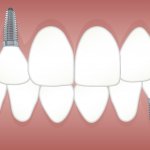
Tooth loss is still common, especially in older adults. Studies show that nearly 1 in 5 adults over age 65 have lost all their natural teeth, and many more are missing at least one tooth. Bridges and dentures remain options, but implants are often more stable and help preserve bone. Implants fuse with bone through a process called osseointegration, which allows them to act like artificial roots once healed. That stability is why more dentists recommend them as a first choice instead of a backup plan. If you lose a tooth, ask about implants early because bone shrinks after tooth loss, and waiting can reduce your options.
Materials Are Improving
Most implants are made of titanium because it bonds well with bone and has decades of strong success data. New surface treatments now help implants heal faster by allowing bone to attach more quickly. Some manufacturers are also developing ceramic implants for patients who prefer metal-free options. While materials continue to improve, timing still plays a major role in success. Ajit Chaudhry once described a patient who waited years after losing a molar, only to discover that bone loss required grafting before placement. Earlier action would have simplified treatment. If you are told you need a graft, ask why and ask how much bone is present because early placement often reduces complexity.
Bone Grafting Is More Common Than You Think
Bone loss begins soon after a tooth is removed because the jawbone needs stimulation to stay strong. Without it, the bone shrinks. Bone grafting rebuilds lost volume and creates a stable base for implants. Modern graft materials are safe and effective and may be synthetic, animal-derived, or taken from the patient. Healing times vary, but most grafts require several months before implant placement. If you have a missing tooth, get an evaluation sooner rather than later because a simple scan can measure bone levels and prevent surprises.
Planning Is More Precise
Imaging tools now allow dentists to measure bone height and width with accuracy before surgery begins. Implant placement is mapped carefully in advance, which reduces guesswork and lowers risk. Better planning also protects nerves and sinuses. In the past, placement relied more on manual estimation, but today precision is much higher, and that supports long-term success rates often reported above 90% over 10 years. Ask your dentist how they plan placement and how they measure bone because careful planning is one of the biggest drivers of implant success.
Healing Is Faster for Many Patients
Improved surface coatings have reduced healing times for many patients, and in some cases implants can support temporary teeth sooner than before. Immediate placement, which means placing the implant during the same visit as tooth removal, is sometimes possible. Not every case qualifies because bone quality and infection levels matter. Faster does not mean rushed, and careful case selection remains essential. Ask whether you are a candidate for immediate placement, and if not, ask what steps are needed to prepare for future placement.
Implants Are Long-Term Investments
Implants are not quick fixes and require maintenance just like natural teeth. Good oral hygiene and healthy gums are critical to long-term success, and smoking lowers success rates. A condition called peri-implantitis can cause inflammation and bone loss around implants if left untreated. Regular checkups help reduce this risk and catch issues early. Brush twice daily, floss or use interdental cleaners, and keep maintenance appointments every six months unless your dentist recommends a different schedule.
Costs Will Remain a Factor
Implants cost more upfront than dentures or bridges, but they often last longer and may offer better long-term value. Patients should compare lifetime costs rather than only initial pricing. Insurance coverage varies and may include part of the procedure. Before 2030, prices may stabilize but are unlikely to drop sharply because materials, training, and planning remain specialized. Request a full treatment plan with itemized pricing and compare short-term and long-term options before deciding.
Full-Arch Implants Are Growing
For patients missing most or all of their teeth, full-arch implant systems are expanding in popularity. These systems anchor a full set of teeth onto several implants and provide more stability than traditional dentures. Techniques and healing timelines continue to improve, making them a stronger option for many patients. If you currently wear dentures and struggle with movement or discomfort, ask about implant-supported solutions and whether you qualify.
Patient Education Is Improving
Patients now research options before visiting the dentist, which can help but can also create confusion. Online images may not reflect your specific anatomy or needs. Clear consultation remains critical for making the right choice. Bring questions to your appointment and ask about risks, healing time, maintenance, and long-term expectations. Writing down three questions before your consultation can help you stay focused and confident during the discussion.
The Road to 2030
Dental implants will continue to evolve through better materials, sharper planning, and improved healing timelines. Core principles will remain the same because bone health, timing, and hygiene determine long-term success. Implants work best when patients act early and commit to maintenance. The future is not about flashy tools but about precision and prevention. If you are considering implants before 2030, get evaluated early, compare options carefully, and ask direct questions. Your jawbone does not wait, and the decisions you make today will shape your smile for decades.
More to Read:




Previous Posts: