Emergency Dental Care in Coral Springs: What You Need to Know
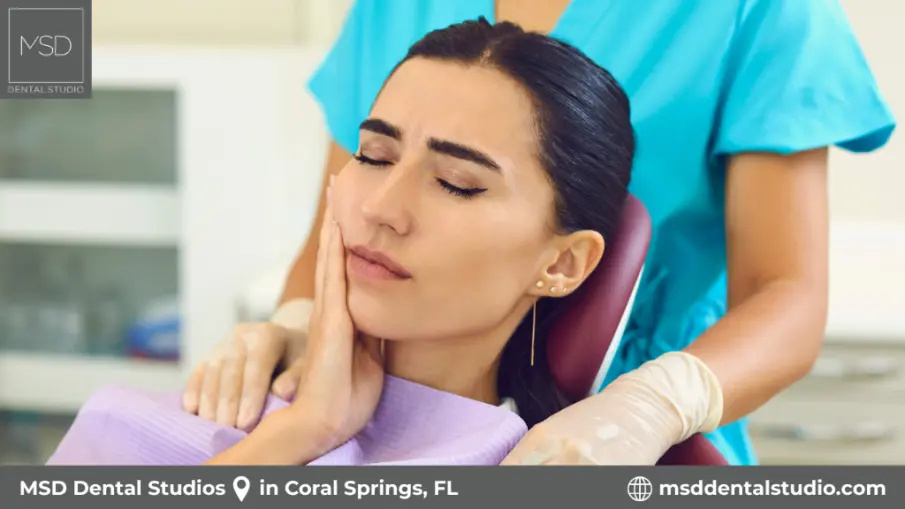
Dental emergencies never arrive at convenient times. Whether it's a severe toothache that strikes during a weekend family gathering, a chipped tooth from an unexpected fall, or a knocked-out tooth during your child's soccer game, these urgent situations require immediate attention and proper care. Understanding how to handle dental emergencies and knowing where to find reliable emergency dental services in Coral Springs can make the difference between saving and losing a tooth, managing pain effectively, and preventing minor issues from becoming major complications.
Coral Springs residents face unique challenges when it comes to emergency dental care, from navigating insurance coverage to finding available providers during off-hours. This comprehensive guide will help you prepare for dental emergencies before they happen, recognize when immediate care is necessary, and take the right steps to protect your oral health when time is of the essence.
Understanding Dental Emergencies: When Every Minute Counts
Not all dental problems constitute true emergencies, but knowing the difference can save you time, money, and unnecessary stress. True dental emergencies involve severe pain, significant bleeding, trauma that affects your ability to eat or speak, or situations where delaying treatment could result in permanent damage or tooth loss.
Knocked-out teeth represent the most time-sensitive dental emergency. If you can get to a dentist within 30 minutes to an hour, there's a good chance the tooth can be successfully reimplanted. After two hours, the likelihood of successful reimplantation drops significantly. This is why having an emergency dental plan and knowing exactly where to go is crucial.
Severe infections also constitute dental emergencies, particularly when accompanied by facial swelling, fever, or difficulty swallowing. These symptoms can indicate that an infection is spreading beyond the tooth and may require immediate medical intervention to prevent serious complications.
Significant trauma to the mouth, jaw, or face requires emergency care, especially when it involves multiple teeth, soft tissue damage, or potential jaw fractures. These situations often require coordination between dental and medical professionals to address all aspects of the injury.
Common Dental Emergencies and Immediate Response
Understanding how to respond to specific dental emergencies can minimize damage and improve treatment outcomes. Each type of emergency has particular first-aid measures that can help preserve teeth and manage pain until professional care is available.
Toothaches can range from mild discomfort to excruciating pain that makes it impossible to function normally. While not all toothaches require emergency care, severe pain that doesn't respond to over-the-counter pain medication, especially when accompanied by swelling or fever, needs immediate attention. Rinse your mouth with warm salt water, use a cold compress on the outside of your cheek, and avoid placing aspirin directly on the tooth or gums, as this can cause tissue damage.
Chipped or broken teeth require different responses depending on the severity of the damage. Save any pieces you can find, rinse your mouth with warm water to clean the area, and apply a cold compress if there's swelling. If the break is severe and causes sharp edges that cut your tongue or cheek, cover the edges with dental wax or sugar-free gum until you can receive professional care.
Lost fillings or crowns create vulnerable areas that need protection from bacteria and temperature sensitivity. Keep the crown if possible and try to slip it back over the tooth using dental cement, denture adhesive, or even toothpaste as a temporary measure. Avoid chewing on that side of your mouth and seek professional care as soon as possible.
Objects stuck between teeth can cause significant pain and damage if not removed properly. Use dental floss to gently try to remove the object, but never use sharp instruments like pins or needles, which can damage your gums or push the object deeper.
Finding Emergency Dental Care in Coral Springs
Coral Springs offers several options for emergency dental care, but knowing your choices ahead of time can save precious minutes during a crisis. Many general dental practices reserve time in their schedules for emergency patients, and some offer after-hours emergency services for their established patients.
Emergency dental clinics specialize in urgent care and often have extended hours, including evenings and weekends. These facilities are equipped to handle most dental emergencies and can provide immediate pain relief and stabilization treatments. Some emergency clinics also have relationships with oral surgeons and other specialists who can be called in for complex cases.
Hospital emergency rooms can address dental emergencies, particularly those involving significant trauma, severe infections, or complications that affect your overall health. However, ERs typically focus on managing pain and preventing infection rather than providing definitive dental treatment, so you'll likely need follow-up care with a dentist.
When researching emergency options, consider factors like location, hours of operation, insurance acceptance, and the types of treatments available. Having this information readily accessible—perhaps saved in your phone or posted in a visible location at home—can eliminate the stress of searching during an emergency.
Insurance and Payment Considerations
Understanding your dental insurance coverage for emergency care can prevent unpleasant surprises when you're already dealing with pain and stress. Most dental insurance plans cover emergency treatments, but coverage levels and requirements vary significantly between plans.
Some insurance plans require pre-authorization for certain procedures, even in emergency situations. While this requirement may be waived for true emergencies, it's worth understanding your plan's specific policies. Keep your insurance cards easily accessible and know whether your plan has preferred providers or networks that offer better coverage rates.
Many emergency dental providers offer payment plans or financing options for patients without insurance or those facing significant out-of-pocket costs. Some practices work with third-party financing companies that offer low-interest or interest-free payment plans for dental treatments.
Don't let financial concerns prevent you from seeking emergency care when you need it. Many dental problems become more expensive to treat when delayed, and the cost of avoiding emergency care often exceeds the cost of prompt treatment.
Prevention: Your Best Defense Against Dental Emergencies
While some dental emergencies result from accidents that couldn't be prevented, many emergency situations develop from neglected routine care or risky behaviors that can be modified. Regular dental checkups and cleanings help identify potential problems before they become emergencies.
Protective equipment during sports and recreational activities can prevent many traumatic dental injuries. Custom-fitted mouthguards offer the best protection, but even over-the-counter options provide significant benefits compared to no protection at all.
Avoiding hard foods like ice, popcorn kernels, and hard candies can prevent cracked or chipped teeth. Similarly, never use your teeth as tools to open packages, crack nuts, or hold objects, as these activities put excessive stress on your teeth and can cause fractures.
Maintaining good oral hygiene through daily brushing and flossing, using fluoride toothpaste, and limiting sugary snacks and drinks helps prevent decay and gum disease that can lead to emergency situations.
Building Your Emergency Dental Kit
Having a well-stocked emergency dental kit can help you manage dental emergencies more effectively until professional care is available. Your kit should include pain relievers like ibuprofen or acetaminophen, which can help manage pain and reduce inflammation.
Include dental wax or sugar-free gum to cover sharp edges of broken teeth, a small container with a lid to save knocked-out teeth or tooth fragments, and salt for making saltwater rinses. Gauze pads can help control bleeding, and a cold compress or instant ice pack can reduce swelling.
Keep your dentist's contact information easily accessible, including after-hours emergency numbers. Also include contact information for local emergency dental clinics and the nearest hospital emergency room.
Working with Your Regular Dentist
Establishing a relationship with a reliable dentist coral springs provider before you need emergency care offers significant advantages. Your regular dentist knows your dental history, has access to your records and X-rays, and can provide continuity of care that emergency providers cannot match.
Many dental practices reserve time in their schedules for emergency patients, and established patients often receive priority when scheduling urgent appointments. Your regular dentist can also provide guidance over the phone about whether your situation requires immediate emergency care or can wait for a regular appointment.
Building a relationship with a dental practice also means you're familiar with their location, parking, and procedures, which can reduce stress during emergency situations. You'll also have established financial arrangements and insurance processing, making the administrative aspects of emergency care smoother.
After Emergency Treatment: Follow-Up Care
Emergency dental treatment often focuses on immediate pain relief and stabilization rather than definitive repair. Follow-up appointments are typically necessary to complete treatments, monitor healing, and address any complications that arise.
Don't skip follow-up appointments, even if you're feeling better. Emergency treatments like temporary fillings, splints, or partial repairs need to be replaced with permanent solutions to prevent future problems. Your dentist may also want to monitor the healing process and adjust treatments based on how you respond.
Use emergency dental visits as opportunities to discuss prevention strategies with your dentist. They can identify factors that contributed to your emergency and recommend changes to prevent similar situations in the future.
Conclusion
Dental emergencies are stressful, painful experiences that require prompt, appropriate action to achieve the best outcomes. By understanding what constitutes a dental emergency, knowing how to respond to common situations, and having a plan for accessing emergency care in Coral Springs, you can navigate these challenging situations more effectively.
Remember that preparation is your best tool for managing dental emergencies. Establish relationships with dental providers, understand your insurance coverage, maintain an emergency kit, and most importantly, prioritize preventive care to reduce your risk of emergency situations.
When dental emergencies do occur, don't hesitate to seek professional care. Quick action often makes the difference between minor repairs and major reconstructive work, between saving and losing teeth, and between managing pain effectively and enduring unnecessary suffering. Your oral health is too important to leave to chance, and proper emergency preparedness ensures you're ready to protect your smile when it matters most.
More to Read:



Previous Posts: